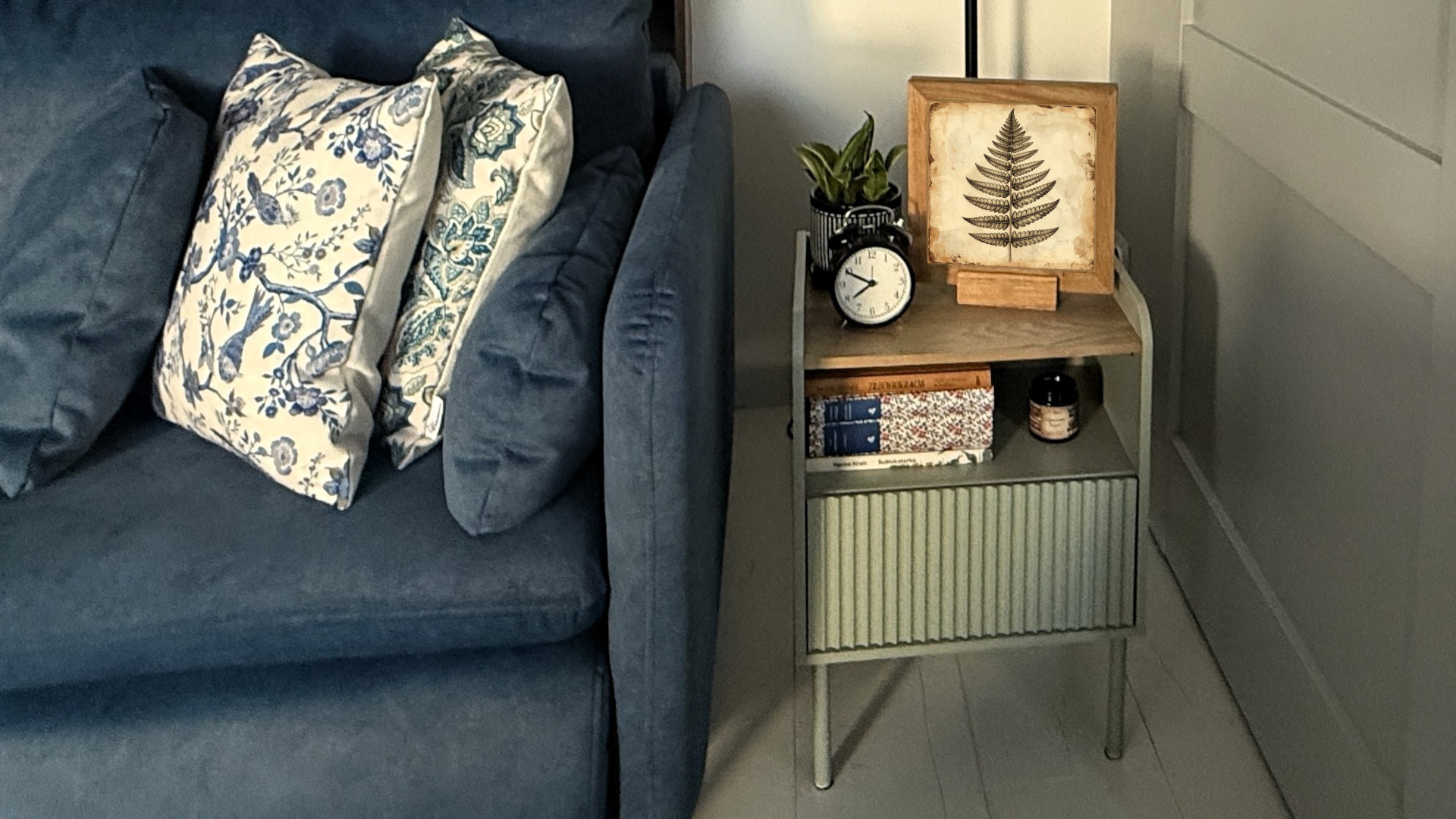
Dreaming of a home art gallery? A place where your favorite paintings, graphics, or photographs create a coherent, inspiring composition? It doesn't have to be difficult or expensive. The key is a thoughtful arrangement that considers not only the works themselves but also space, light, and your personal style.
Whether you have one unique exhibit or plan to create an entire wall of memories and inspiration, here are a few fundamental rules to help you create a real home gallery.
Composition: The Heart of Your Gallery
Before you hammer in the first nail, plan the layout. This is the most important step. You have several proven methods:
Symmetrical Layout: Perfect for lovers of order. Choose frames of the same size and color, then hang them at equal intervals, creating a grid (e.g., 2x2, 3x3). Works great above a sofa or dresser.
Central Axis: Choose one largest work as the focal point. Arrange smaller works around it, trying to maintain visual balance. You can stick to a common horizontal axis (e.g., the center of all frames at the same height) or vertical axis.
Organic/Salon Layout: More casual, but requiring a sense of balance. Mix frame sizes, shapes, and orientations. Start with the largest work and "paste" the rest around it, keeping similar spacing between frames.
Remember about "breathing room"—don't hang works too close to each other. The spaces between frames should be large enough for each work to resonate individually, but small enough to create a coherent group.
Light: Bringing Out the Beauty
Light is crucial for perceiving art.
Avoid Direct Sunlight: UV rays can cause colors to fade. If you must hang a work on a sunny wall, invest in a frame with anti-reflective glass with a UV filter (although we at I am Frame believe that direct contact with the work, without the barrier of glass, gives deeper sensations).
Artificial Lighting: Consider dedicated gallery lighting. Small, adjustable ceiling spotlights or sconces with a movable arm, directed at your works, can work wonders, bringing out colors and texture after dark. Choose bulbs with a neutral or slightly warm light color (approx. 2700-3000K) and a high color rendering index (CRI > 90).
Location: Where Does Art Feel Best?
Not every wall is ideal for a gallery. Where is it worth hanging your treasures?
Above a Sofa or Dresser: This is a classic spot. Remember to hang the bottom edge of the lowest frame approx. 15-20 cm above the furniture, creating a coherent whole with it.
Hallway or Lobby Wall: This is the perfect place for a "wall of memories" or a collection of smaller works that will welcome guests.
Staircase: A dynamic space, perfect for an "organic" layout following the line of the stairs.
Dining Room Wall: Art can make meals more pleasant and become a topic of conversation.
Unusual Places: Sometimes one well-placed picture in the kitchen, bathroom (away from moisture!) or even in the closet can add unexpected character to the interior.
Or Perhaps... Less Is More?
Creating an entire wall gallery can be overwhelming. If you value absolute minimalism, perhaps the ideal solution is not many works, but one that lives and evolves with you?
That is why we created I am Frame, a unique system that allows you to own one permanent frame (standing or hanging), crafted by an artisan, in which a new, self-selected work of art from our catalog appears every quarter.
The I am Frame subscription is your constant access to curated art. Every quarter you choose a new artwork from our catalog, which we send straight to your hands. Thanks to the hidden magnet system, the exchange takes just 5 seconds. This ensures that your interior regularly gains new energy.
It is the ideal solution for minimalists who value quality over quantity and love subtle changes. It's like having a private, constantly evolving gallery in one elegant piece of furniture.
Your Gallery, Your Rules
Remember that this is your home and your space. The above rules are guidelines, not ironclad laws. The most important thing is that your home gallery brings you joy, inspires you, and reflects your personal taste.
Play with form, experiment, and create a place where art truly lives.